Project Overview

Exploring how small states mediate Gulf conflicts through interdisciplinary research, international collaboration, and policy dialogue.
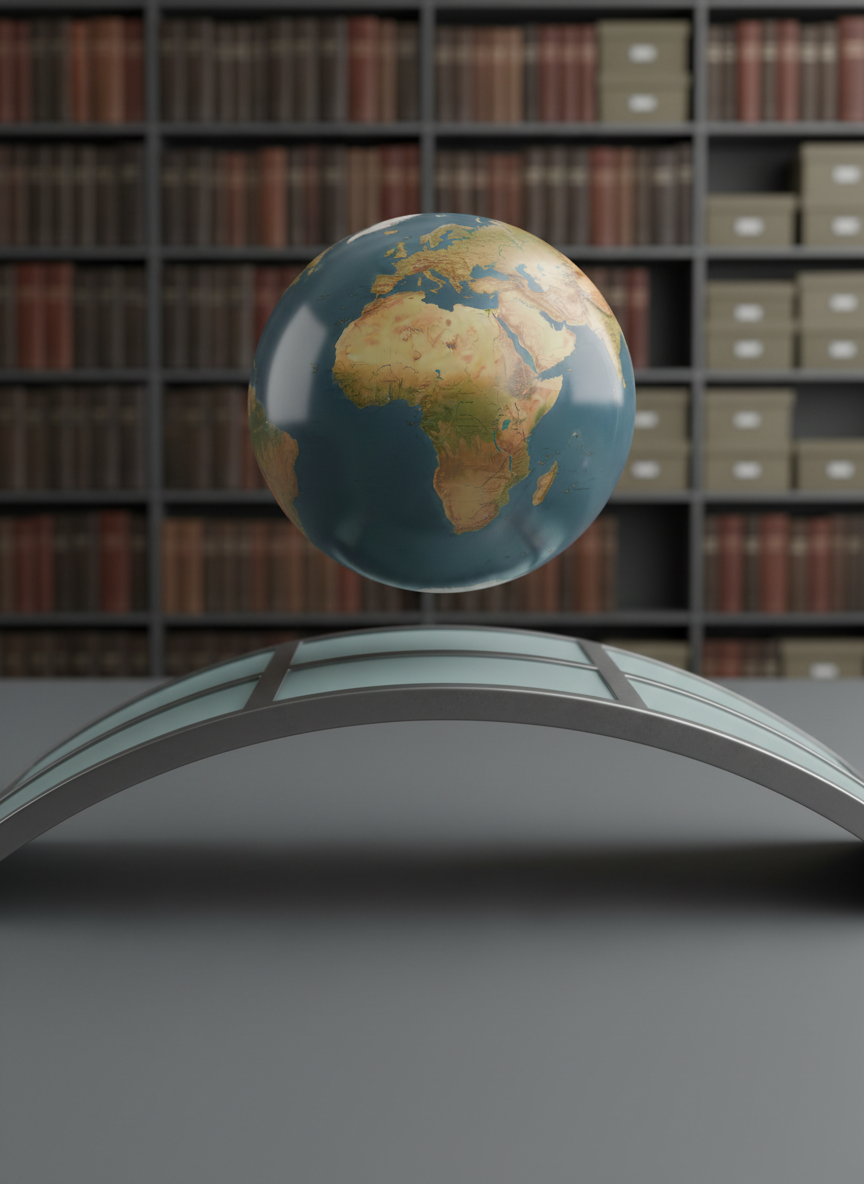
A meticulously detailed globe in muted blues and warm earth tones, suspended above a minimalist bridge-like platform made of brushed steel and frosted glass that gently arcs from one side of the frame to the other. The globe’s coastlines are crisp but unlabeled, symbolizing neutrality. It rests in a modern, scholarly research space with tall shelves of indistinct books and archival boxes in the blurred background. Cool, diffused studio lighting creates balanced highlights and soft shadows, giving the scene a contemplative, academic mood. Photographic realism, composed at eye level with the bridge leading the viewer’s gaze toward the globe, suggesting small states acting as bridges in global mediation and conflict resolution research.
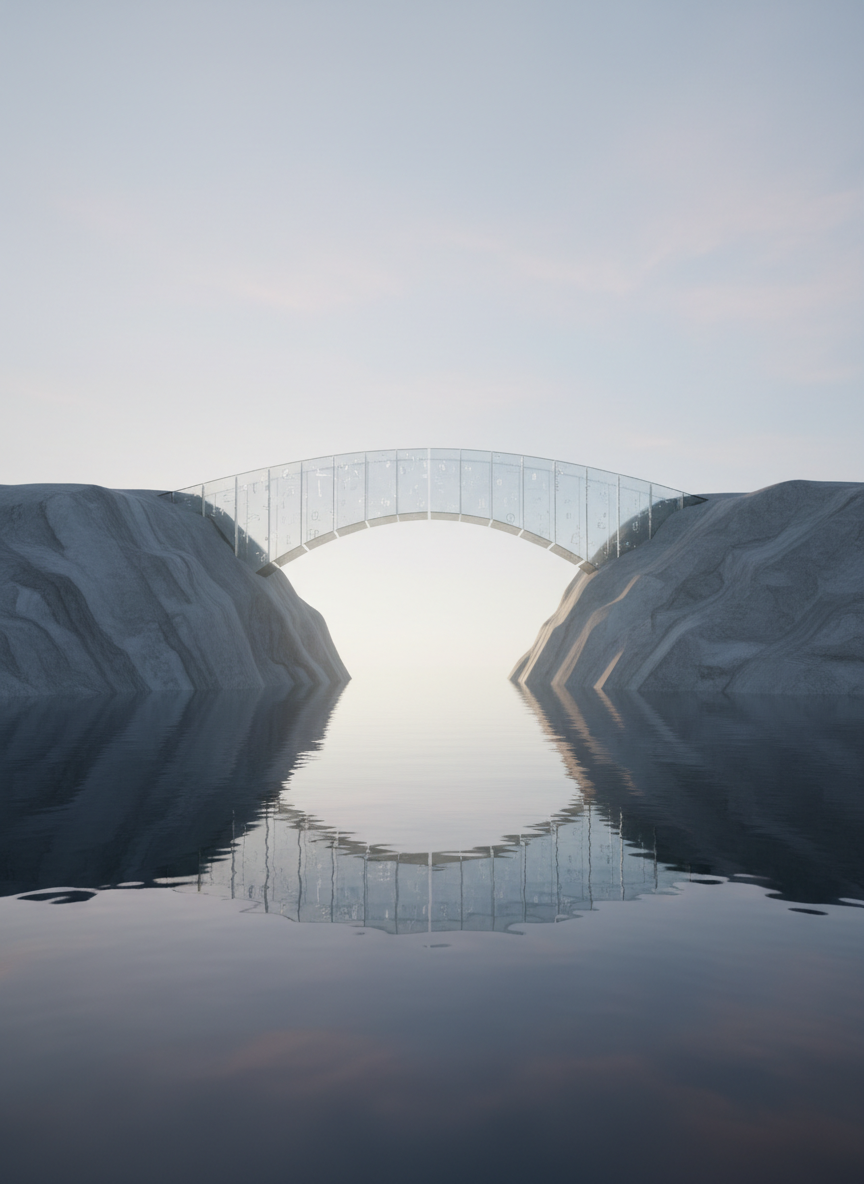
Two stylized, matte-finish stone landmasses resembling opposing coastlines extend from the left and right edges of the frame, separated by a deep, reflective body of water. Between them spans a single, graceful bridge constructed from interlocking translucent glass segments, each segment engraved with faint, non-readable symbols. The scene is set under a pale, diffused sky with early-morning light casting soft reflections on the water’s surface. There are no people, only the architectural metaphor of connection. Photographic realism with a slightly low, wide-angle composition emphasizes the span of the bridge and depth of the gulf, conveying the idea of small states quietly bridging divides in complex regional conflicts.

About the Mediation Research Portal

This portal presents the Academy of International Affairs NRW fellowship project on small state mediation, offering conceptual framing, case studies, and curated resources that support rigorous scholarship, informed policymaking, and dialogue between researchers, diplomats, and practitioners.

Research Team

A close-up of an intricately arranged cluster of neutral-toned folders, annotated maps without text, and color-coded bookmarks spread across a dark wooden research table, with a single, elegantly designed brass balance scale at the center. The table sits in a quiet institutional study room, with rows of blurred shelves and archival binders receding into the background. Soft, directional window light from the left creates delicate highlights on the metal scale and subtle shadows across the paper texture, evoking careful analysis and balanced mediation. Photographic realism, shot from a slightly elevated angle with shallow depth of field, keeps the central scale and documents tack-sharp while the background softly fades, reinforcing a professional, scholarly atmosphere around small state mediation research.

Aarav Sharma

CEO

Leads comparative case studies on Gulf mediation, connecting empirical findings with policy-relevant insights.
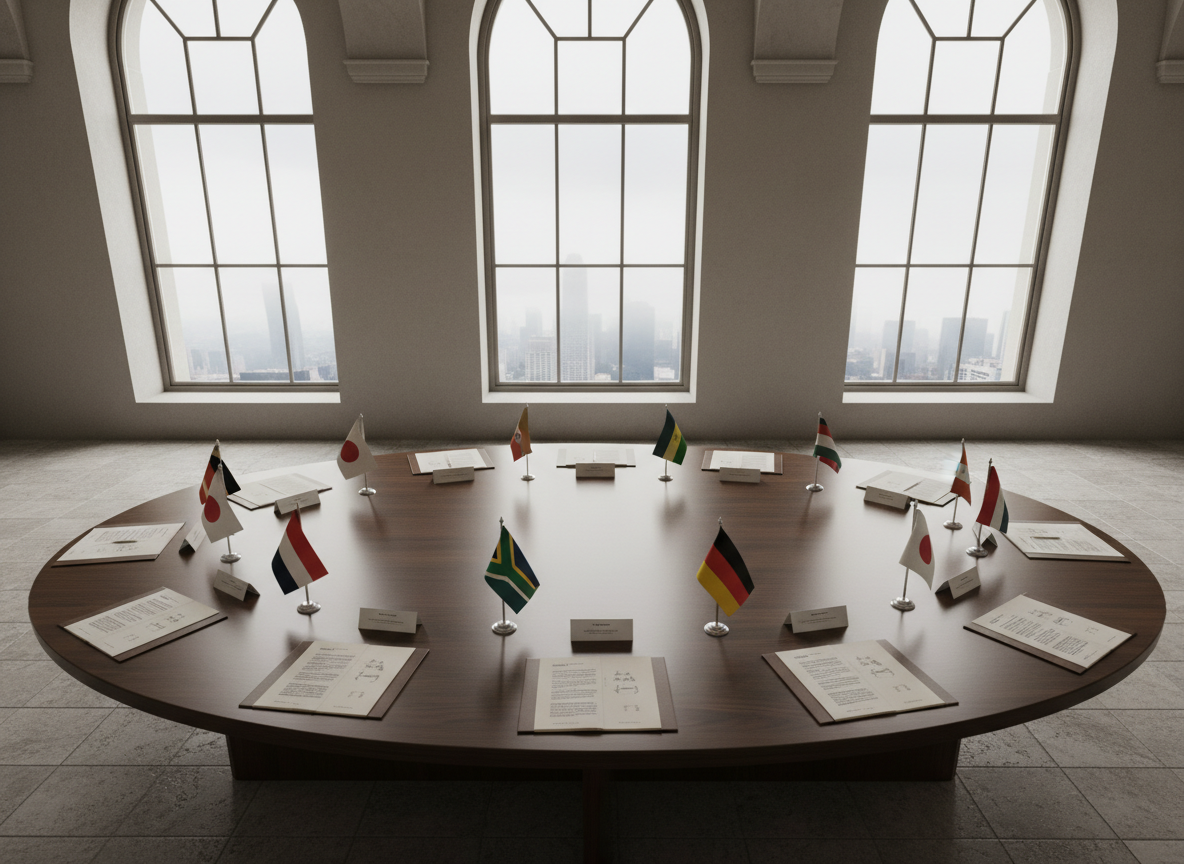
A large, abstract conference table rendered as a smooth, matte dark-wood oval seen from above, surrounded not by chairs but by small, distinct national flags, open legal folders, and neutral nameplates without text. The table sits in a quiet, high-ceilinged diplomatic chamber with tall windows revealing a hazy, indistinct city skyline. Soft overcast daylight washes in, creating gentle reflections on the polished surface and subtle shadows under the objects. The mood is serious yet hopeful, suggesting structured dialogue and mediation. Photographic realism, shot from a high bird’s-eye perspective with sharp focus throughout, emphasizing symmetry, order, and the calm, professional atmosphere of international negotiation and small state diplomacy.

Mateo García

CTO

Examines small state leverage in multilateral forums, focusing on norm entrepreneurship and coalition-building.

A meticulously detailed globe in muted blues and warm earth tones, suspended above a minimalist bridge-like platform made of brushed steel and frosted glass that gently arcs from one side of the frame to the other. The globe’s coastlines are crisp but unlabeled, symbolizing neutrality. It rests in a modern, scholarly research space with tall shelves of indistinct books and archival boxes in the blurred background. Cool, diffused studio lighting creates balanced highlights and soft shadows, giving the scene a contemplative, academic mood. Photographic realism, composed at eye level with the bridge leading the viewer’s gaze toward the globe, suggesting small states acting as bridges in global mediation and conflict resolution research.

Zuri Ndlovu

Engineer

Specializes in mediation process design, integrating conflict resolution theory with diplomatic practice in the Gulf.

Two stylized, matte-finish stone landmasses resembling opposing coastlines extend from the left and right edges of the frame, separated by a deep, reflective body of water. Between them spans a single, graceful bridge constructed from interlocking translucent glass segments, each segment engraved with faint, non-readable symbols. The scene is set under a pale, diffused sky with early-morning light casting soft reflections on the water’s surface. There are no people, only the architectural metaphor of connection. Photographic realism with a slightly low, wide-angle composition emphasizes the span of the bridge and depth of the gulf, conveying the idea of small states quietly bridging divides in complex regional conflicts.

Leila Haddad

Designer

Coordinates data collection and digital resources, ensuring research outputs are accessible to scholars and practitioners.